
One Week, Two Coaches, and a Saturday Meet
Follow a high school pole vaulter through a week of training.
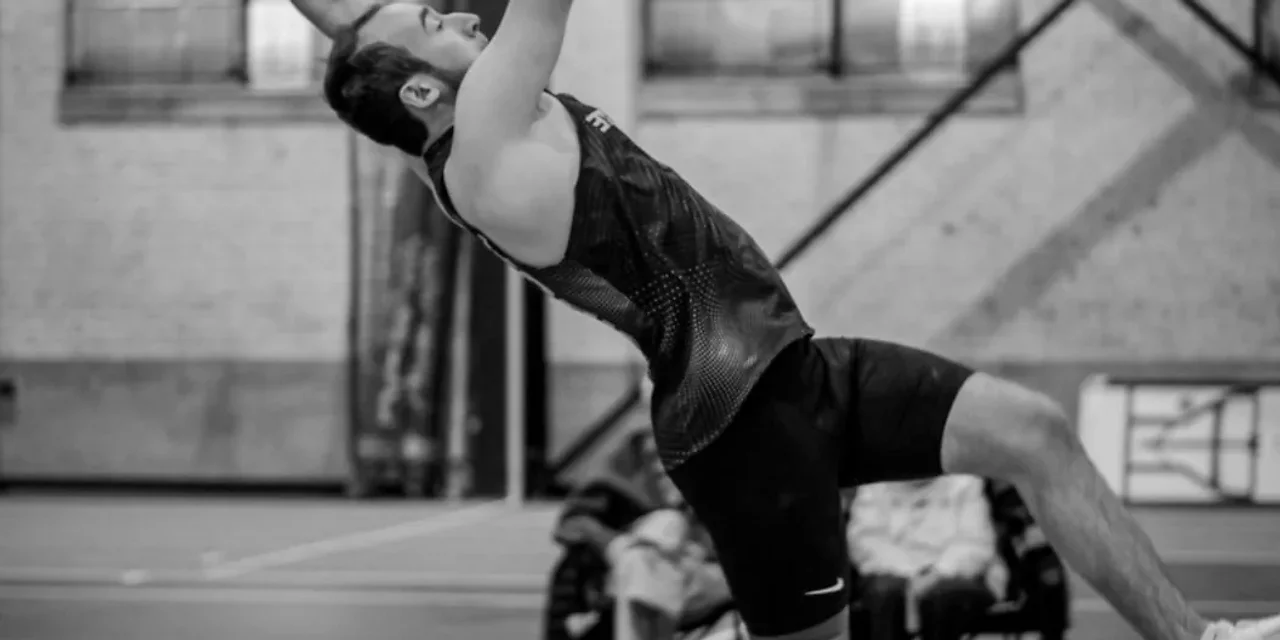
A fictional week with a high school athlete, his two coaches, a busy family, and a Saturday competition.
At 6:40 on Monday morning, Alex is hunting for a clean team shirt, finishing breakfast, and already thinking about practice.
Saturday is a meet. There's a history paper due Thursday, a lift to get through, and a practice time that may clash with his ride home. Alex wants to vault higher. He also has to survive an ordinary week.
His vault coach, Coach Rivera, sees the technical work. His strength coach, Coach Kim, sees the lifting. His parents see the early mornings, the laundry and the drives. Alex is the one connecting all of it.
Here's how that week could look with AthleticPeak Pro.
Monday: an honest check-in
Before school, Alex opens his daily check-in. His first instinct is to tap "ready." He doesn't want to fall behind.
But the questions make him pause. He slept badly. Sunday's pickup game took more out of him than he expected. His motivation is ahead of his recovery.
So instead of proving how tough he is, he sends Coach Rivera a quick message about how he feels. She adjusts the session: same purpose, less volume. Alex still gets good work in, without forcing a plan his body isn't ready for.
That night, his mom checks the team calendar and notices Saturday's bus leaves at 6:15, earlier than she thought. They sort out the ride over dinner. A two-minute conversation on Monday saves a scramble on Saturday morning.
Tuesday: the plan goes to the gym
After school, Alex opens the workout Coach Kim assigned. Focus Mode keeps just the current exercise, sets and reps on screen, and the rest timer keeps him moving.
The squat calls for 85 kg. Instead of doing math between sets, he opens the plate calculator: 25, 5 and 2.5 kg on each side of a 20 kg bar. Loaded and ready.
The school just added a new machine, and Alex has no idea what it's for. He points his phone camera at it. The app identifies it and suggests matching exercises from the library, so he knows where it could fit in his own training.
The session mostly goes to plan. The first exercise feels easy. The last two sets of the second one are a grind. Alex logs his effort and adds a note for Coach Kim: "First lift felt comfortable. Last two sets of the second were much harder."
That note matters. A completed workout tells a coach the work happened. The note tells her what it was like.
Wednesday: two coaches, one athlete
Alex has two coaches because they help with different parts of his sport. Coach Kim already has Tuesday's session and his note. Before practice, Alex tells Coach Rivera how the lift went and how his legs feel today. Neither coach has to guess, and Alex decides what each one sees.
A few vaulters want to get in an extra session together, but their schedules don't line up. Alex posts on the team feed: "Anyone free for an early session Thursday?" Three replies later, the time is set.
At practice, Coach Rivera runs a standing broad jump test. Alex's last mark was 2.58 m. Today he jumps 2.66 m, a personal best. Eight centimeters. Enough to make him grin. He knows what it means, and now it's in his record instead of just being a feeling that he "looks more powerful."
Coach Rivera adds it to the team leaderboard and posts a shout-out on the team feed. A dozen teammates like it. One writes, "Told you that squat work was paying off."
That evening, when his dad asks how practice went, Alex has something better to say than "good."
Thursday: training on his own
There's no assigned workout today. Alex and his coaches agreed on something easy, built around his schoolwork.
He meets his teammates for the early session they planned on the feed. He opens a warm-up routine he saved weeks ago, so nobody has to rebuild it from memory. Afterward, he logs the easy run in the free running logger.
On another day, he might build his own strength workout, follow a structured program, or reload a favorite session. That flexibility is the point. Some days call for a coach's plan. Some days call for doing the simple thing well on his own.
Those independent sessions count too. They go into the same record, and over time they tell the story of everything he did between the big workouts and meets.
Then he goes home and finishes the history paper.
Friday: stick to the plan
Alex checks in again. Today he feels great, and he's tempted to squeeze in some extra work before the meet.
The plan says recovery and light prep. Feeling good doesn't mean every day has to be a hard day. He sticks with it.
Coach Rivera posts an announcement to the team feed: bus at 6:15, bring layers, the forecast is windy. Nobody has to dig through a group text to find it.
Alex also notices that next Wednesday's practice clashes with a school event. He marks his availability and tells his coach now, while there's still time to plan around it. His parents appreciate the heads-up. They can help with the logistics without managing every rep.
By evening, his bag is packed.
Saturday: meet day
Meet days have their own rhythm: the bus, the warm-up, the waiting, a shift in the wind, and more waiting.
Not every attempt goes well. One takeoff is hesitant. Another is the best he's had all season. Alex clears 3.80 m, just short of his 3.90 m best, and leaves with a clear lesson about committing to his approach under pressure.
On the bus, he logs the result and writes a quick reflection for Coach Rivera while it's fresh: "Best attempt felt like the approach we've been practicing. I backed off on the last one."
Wednesday brought a personal best. Saturday brought something to learn from. Both go in the record.
On the drive home, his parents ask what he enjoyed, what felt different, and whether he's hungry. They don't turn the car into another coaching session. They don't need to. The coaching already has a place to happen.
Sunday, and long after
On Sunday, Alex rests. He checks in, looks back at the week, and glances at what's next.
It was uneven in all the normal ways. Monday needed an adjustment. Tuesday's lifts felt different from one exercise to the next. Wednesday brought a PR. Thursday he organized his own training. Saturday gave him a good jump and something to fix. That's a far more useful picture than one meet result or a row of checkmarks.
His coaches have real questions to work with, too. Was Tuesday's grind a one-off, or does the program need adjusting? What should next week's vault session focus on?
A month from now, this week won't feel special. But it will still be useful. Alex can reload Thursday's warm-up, compare his next broad jump to 2.66 m, and look back at how a workout actually felt instead of trying to remember.
And someday he may change teams, switch coaches, or train on his own for a season. His training history goes with him.
On Monday, there will be another shirt to find and another bag to pack. Alex opens his check-in, looks at the plan, and starts from where he is.
Athletes join AthleticPeak Pro free, and your record stays yours wherever you train. Get started
Coaches: see how planning, team calendars and the team feed work at athleticpeak.pro/coaches, or ask your athletic director about a free Team Training Grant.
Keep building your training record.
Start with a free athlete account. Train independently or connect with a coach, and keep your completed history.
Explore your athlete accountRelated articles
The Coach's Tech Stack: What You Actually Need to Train Athletes
Most coaches need three tools, not thirty. Here’s what you actually need to plan, track, and talk to your team; what to add later; and what to skip.
A Full Roster, Two Training Plans, and a Saturday Meet
Follow Coach Rivera as she balances 24 athletes, coordinates with a strength coach, and prepares for Saturday’s meet. See how AthleticPeak Pro helps her turn shared feedback, training records, and team schedules into a flexible plan for the week ahead.
Powered by MindLevr™
Introducing MindLevr™ Adaptive Training Engine and Rep Builder 10 — a new generation of training systems that adapt to the athlete instead of forcing every athlete to follow the same path.